News · Security
UN and US support structures wind down within months of each other as Mogadishu insists it is ready
The simultaneous retreat of two support architectures — mission enablers and bilateral air and advisory support — concentrates risk in a single fiscal year.

News Reporter
Yusuf
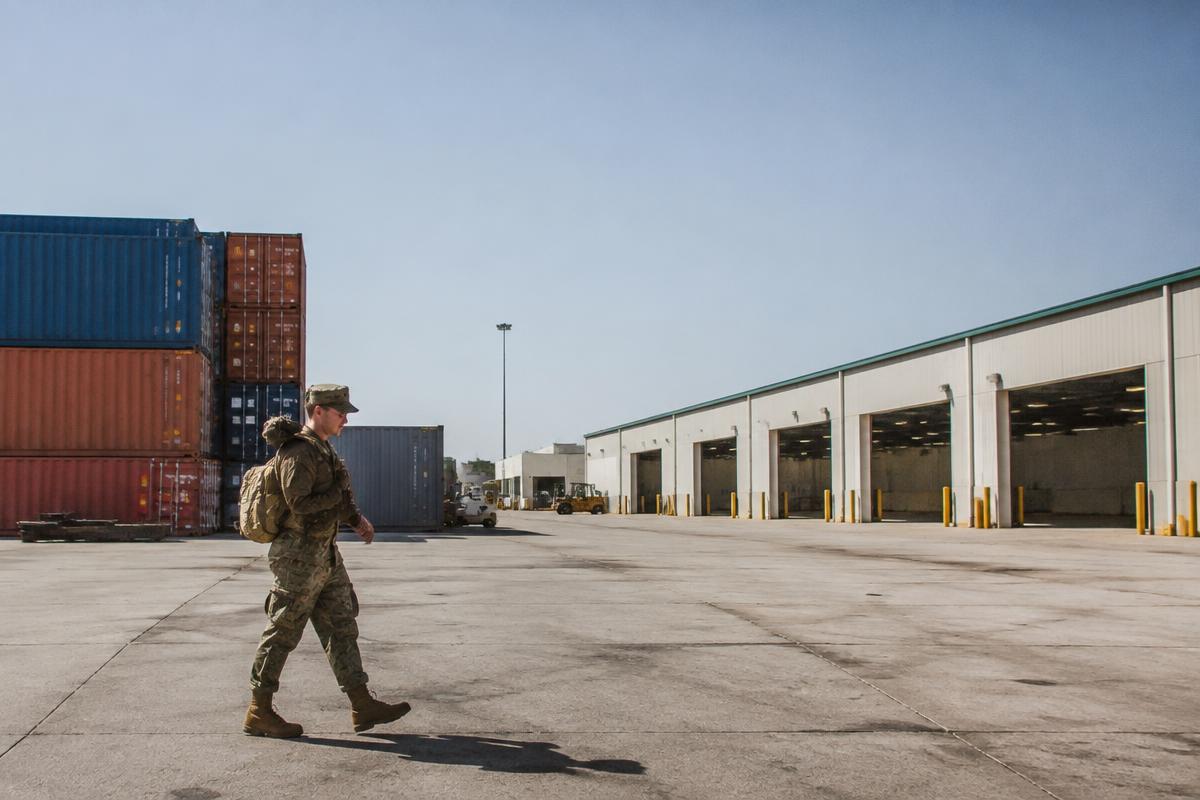
Logistics yard with stacked containers and emptying warehouse bays
Two support architectures are winding down within months of each other: United Nations mission enablers, and bilateral air and advisory support. Mogadishu's public position is that it is ready. The structural problem is the concurrency rather than either withdrawal on its own.
Sequenced withdrawals are survivable because each one leaves a substitute in place. Concurrent withdrawals remove the substitutes at the same time, and concentrate the risk in a single fiscal year.
What is actually being withdrawn
Not principally combat power. Logistics contracts, fuel supply, casualty evacuation, engineering, intelligence fusion and the advisory presence that keeps partner-funded units auditable. These are the systems that convert trained soldiers into a force that can stay in the field.
Air support is the sharpest single loss. It has been the decisive factor in relieving pressured positions in the Shabelle valleys and in striking massed attacks before they reach a perimeter. There is no domestic substitute at comparable tempo.
Indicators worth watching
Medical evacuation coverage by district and hour. Fuel contracts funded beyond the current quarter. The payroll cycle in forward districts. Reinforcement times after a contact. Those four series will describe the transition more accurately than any statement of confidence.
If they hold, Mogadishu's position is vindicated. If they slip together, the country will learn the cost of concurrency in the districts least able to absorb it.
Source
Africa Is a Country