
News · Politics
Madobe Accuses Foreign Actors of Fuelling Southwest Tensions
South West State leader Aadan Mohamed Nur Madobe has accused foreign actors of involvement in political tensions and fighting in the region, warning that the unrest could form part of a broader effort to undermine Somalia’s statehood.

News Reporter
Grace
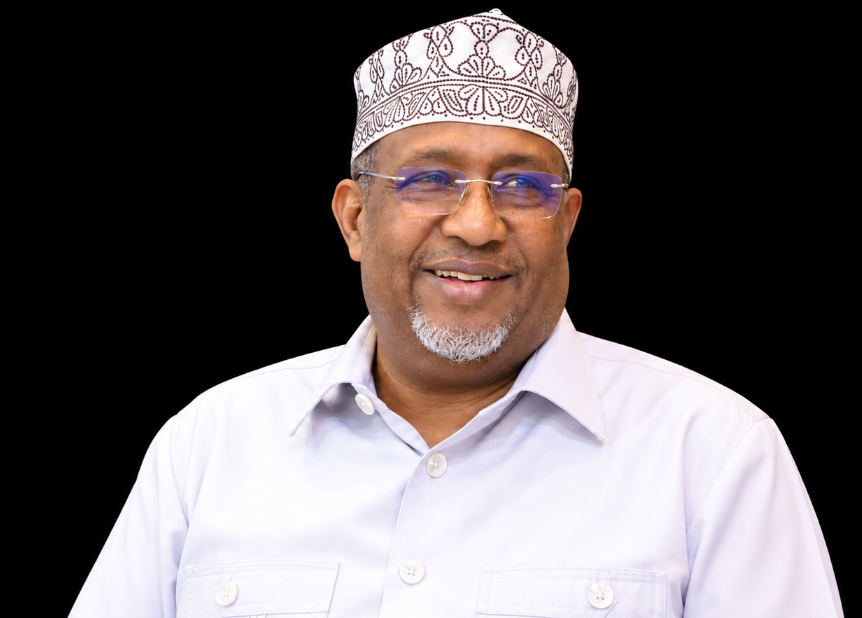
South West State leader Aadan Mohamed Nur Madobe has accused foreign actors of involvement in political tensions and fighting in the region, warning that the unrest could form part of a broader effort to undermine Somalia’s statehood.
In a statement on Sunday, Madobe said information reaching his administration indicated that developments in the Southwest extended beyond a regional political dispute. He argued that the pressure facing his government reflected opposition to Somalia’s progress in rebuilding its institutions.
“The aim of this plan is to destroy the statehood of Somalia as a whole. The progress and state-building that have begun in Somalia are being opposed, and foreign hands are involved,” Madobe said.
His comments placed the fighting within a wider national security context, presenting South West as a possible starting point for instability elsewhere in the country. He described the developments as a new tactic against the Somali state, although he did not identify the foreign actors he accused.
Madobe also raised concerns about what he described as unusual security developments in Baidoa. He claimed that seven individuals intending to carry out suicide attacks had entered the city within a single day.
The statement did not explain how the individuals were identified, whether they had been arrested, or what measures security forces had taken in response. It also did not establish a direct connection between the alleged suicide plot and the foreign involvement Madobe described.
The warning comes amid continuing political and security tensions in South West State, where armed confrontations have increased uncertainty over the region’s stability. Madobe’s remarks suggest his administration views the situation as a challenge with implications beyond its own political survival.
By linking regional unrest to Somalia’s wider statehood, Madobe sought to draw attention to the potential national consequences of further instability. His argument was that efforts to weaken the Southwest could also disrupt the broader process of building functioning government institutions.
However, his statement left several central questions unanswered. It did not specify which countries or organizations were allegedly involved, describe their suspected roles, or explain how the information reaching his administration had been assessed.
The distinction between the political accusations and the reported security threat is significant. Madobe presented both as reasons for concern, but the details provided did not demonstrate whether they were connected or represented separate pressures on his administration.
For residents of Baidoa and surrounding areas, the immediate concern remains the possibility of further fighting or attacks. Madobe’s warning brings those security fears into a broader political dispute while leaving the identity, methods, and objectives of the alleged foreign participants unspecified.
His administration identifies Southwest as the first target in a broader campaign to destabilize the region and undermine Somalia as a whole.