News · Politics
Somalia Weighs Expulsion of UN Official Over Alleged Role in Election Affairs.
Federal government sources say Somalia is weighing a diplomatic step against a senior UN official amid allegations of partiality in the country's election dispute.

News Reporter
Dawit
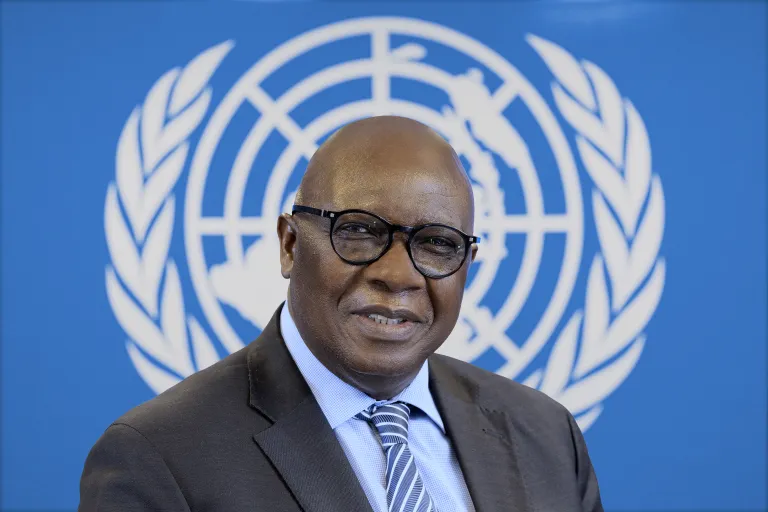
Somalia's federal government is considering declaring Raisedon Zenenga persona non grata, government sources have told SomaliReview, amid allegations that the United Nations official is siding with opposition politicians who favour indirect elections as the country moves towards direct public voting.
The sources said his removal from the country could be imminent. They described a possible declaration that would make him unwelcome in Somalia. However, the information supplied for this article does not include a formal decision or notification ordering his departure.
Zenenga, identified as the Deputy Special Representative of the Secretary-General for Somalia, is accused of supporting political actors opposed to the country's move towards one-person, one-vote elections. The central allegation concerns his alignment with those politicians, rather than an explicit public statement rejecting direct voting.
That distinction is central to the complaint. An international official does not have to announce opposition to an election to influence the process. Support for political actors seeking an indirect system could have a similar effect, depending on the nature of that support and how the official uses his position.
The allegation of partiality
The allegation is that Zenenga's conduct has crossed the boundary between engaging with opposition leaders and advancing their political demands. It presents that alleged involvement as a breach of the impartiality expected of a senior UN representative.
The issue raised by the allegation is whether diplomatic access and the authority of the UN office are being used to favour one electoral model. That would go beyond listening to competing views and would place the official inside the political contest.
Somalia's move towards direct voting places the method of choosing political leaders at the centre of the dispute over how elections should be conducted. Under a direct system, eligible citizens cast their ballots. An indirect system places the selection of representatives in the hands of an intermediate body or group.
The political stakes concern who exercises that choice. Supporting an arrangement that keeps the decision with a smaller group could limit the public's role in selecting its representatives. A UN official helping to secure that outcome would become a participant in a decision that belongs to Somalis.
The mission's closing timetable
The complaint also links Zenenga's alleged involvement to the closure of the UN Transitional Assistance Mission in Somalia, known as UTMIS. The timetable supplied for this article puts the mission's closure in October 2026.
According to the allegation, Zenenga is creating political instability to strengthen the case for a continued international political presence and extend his own stay in Somalia. This is a claim about his motive, not an established finding. No evidence demonstrating that intention was supplied.
If substantiated, the accusation would raise a serious question about the use of international office for personal interests. A representative helping to prolong a political dispute in order to remain in his post would undermine confidence in both his advice and the institution he represents.
With the mission approaching the stated October 2026 closing date, the allegation concerns both electoral politics and the future of the UN presence. A claim that instability is being encouraged to delay that closure would require an institutional response, because it calls into question the purpose of the mission's remaining work.
Possible diplomatic consequences
For the federal government, any decision would require a clear explanation of the conduct it considers unacceptable. For Zenenga and UTMIS, an explanation of their engagement with the election process would be relevant to assessing the accusation of partiality.
The allegations of partisan conduct and a personal motive have not been independently established. The FGS sources' statement concerns a possible expulsion; it does not confirm a completed decision.
SomaliReview reached out to UTMIS multiple times for comment but did not receive a response.