
News · Politics
Somalia’s Partnership With Turkey Supports Security, Infrastructure and Energy Development
Exploration is a preliminary stage, rather than confirmation of commercially viable production. Its purpose is to establish what resources exist, where they are located and whether they can be developed economically.
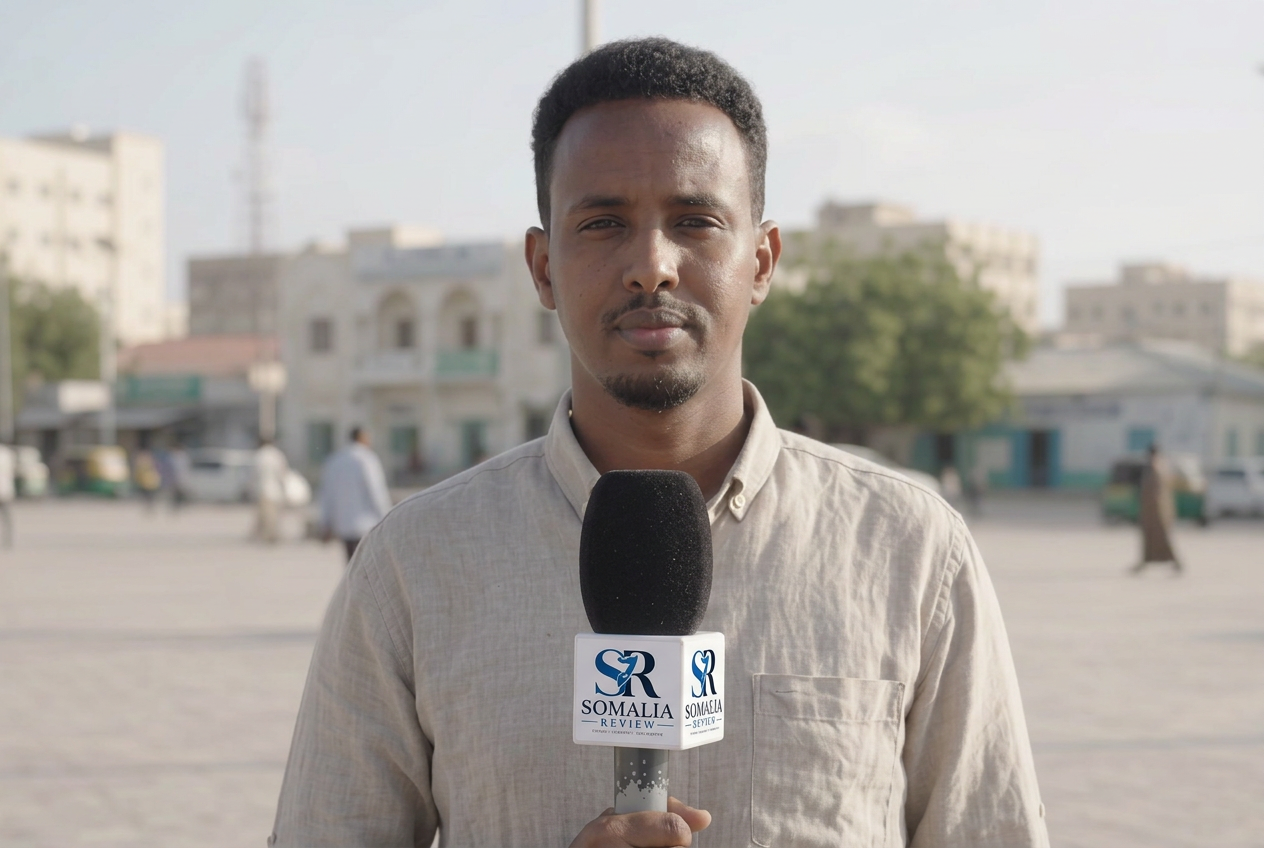
News Reporter
Abdi

Beautiful Lido Beach. Mogadishu
Somalia’s partnership with Turkey is supporting efforts to strengthen the country’s security institutions, develop infrastructure and advance its energy sector, as the federal government reports a substantial decline in al-Shabaab attacks in the capital.
On September 26, 2026, Defence Minister Ahmed Moallim Fiqi said attacks in Mogadishu had fallen by nearly 87 percent since 2023, citing a government security assessment. He said authorities hoped to increase that reduction beyond 90 percent in the coming months.
The announcement reflects the government’s assessment that sustained security operations are improving conditions in Mogadishu. Fiqi credited Somali soldiers and security personnel whose sacrifices have helped protect the capital. Their work remains central to efforts to consolidate security gains and extend government authority.
Turkey contributes to those efforts through military training, equipment and cooperation with Somali institutions. The partnership centres on helping Somalia develop the capacity to defend its territory, protect its population and assume greater responsibility for national security.
For President Hassan Sheikh Mohamud’s administration, strengthening Somali forces forms part of a broader effort to rebuild state institutions. A capable security sector can help create the conditions needed for investment, public services and economic activity.
Turkey’s military training facility in Mogadishu has become an important part of this cooperation. Thousands of Somali soldiers have received training through programmes intended to improve discipline, operational skills and the effectiveness of the national army.
The value of that assistance extends beyond individual training courses. Building a professional force also requires leadership, coordination, logistics and institutions capable of sustaining operations. These are essential foundations for a security system that Somalia can manage over the long term.
Somali forces carry the responsibility for protecting communities and maintaining control of recovered territory. International assistance supports that national effort by providing capabilities, technical knowledge and resources that can help improve military readiness.
Cooperation between Somalia and Turkey has also expanded into maritime security. Their defence partnership includes support for developing Somalia’s ability to protect its coastline and maritime resources, an important priority for a country with extensive territorial waters.
Stronger maritime institutions could support several national objectives. These include protecting fishing communities, addressing illegal activity at sea and improving the security of commercial shipping. They would also help Somalia exercise greater oversight of economic activity within its waters.
Security cooperation sits alongside Turkey’s involvement in infrastructure, humanitarian assistance and public services. The relationship has developed across several sectors, linking immediate needs with the longer work of rebuilding institutions and improving essential facilities.
Infrastructure development matters directly to Somalia’s recovery. Transport connections, functioning public facilities and access to services affect how people work, trade and move around the country. Improvements in these areas can help businesses operate and give communities better access to opportunities.
The connection between security and infrastructure is particularly important. Safer conditions allow construction and maintenance to proceed, while reliable infrastructure helps public institutions function. Progress in both areas can reinforce confidence among residents, businesses and potential investors.
Energy cooperation adds another dimension to the partnership. Somalia and Turkey have pursued offshore exploration, bringing technical expertise and specialised equipment into efforts to assess the country’s petroleum potential and establish the basis for possible future development.
Exploration is a preliminary stage, rather than confirmation of commercially viable production. Its purpose is to establish what resources exist, where they are located and whether they can be developed economically. Any eventual production would depend on further technical work and investment.
For Somalia, the opportunity involves more than the possibility of extracting oil or gas. Developing an energy sector would also require institutions, trained personnel, supporting infrastructure and rules governing commercial activity. Those foundations would shape how future projects serve the country.
Technical cooperation can contribute to that preparation. Somali participation in specialised work, professional training and institutional planning could help build national expertise, allowing the country to take a stronger role in managing its resources and negotiating future projects.
The security, infrastructure and energy elements of the relationship therefore address connected needs. Protecting people and facilities supports economic development, while stronger institutions and improved services can help sustain the benefits of greater security.
Fiqi’s announcement provides a measure of the progress the government says it has achieved in Mogadishu. Maintaining that improvement will require continued work by Somali forces, investment in national institutions and cooperation with partners supporting the country’s priorities.
For Somalia, the lasting value of the Turkish partnership will rest on the capabilities it helps establish: security forces able to protect communities, infrastructure that supports everyday life and an energy sector developed through careful planning. Together, these efforts support Somalia’s ambition to strengthen its institutions and expand economic opportunities.