
News · Politics
Ethiopia and Eritrea Near Wider Conflict After Reported Troop Incursion
The escalation follows the collapse of diplomatic relations between the neighbours, raising fears that renewed fighting inside Ethiopia could develop into an interstate war.

News Reporter
Abdi
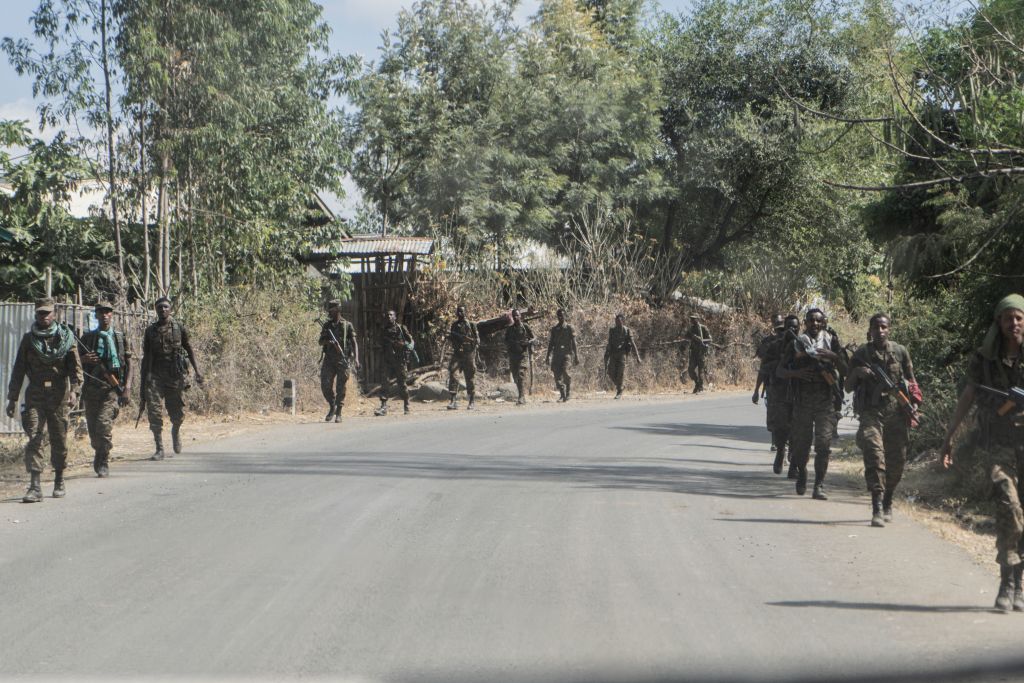
Ethiopia and Eritrea moved closer to direct military confrontation on Wednesday after reports of Eritrean troops entering northern Ethiopia, as Addis Ababa demanded their withdrawal and government forces advanced through Tigray towards the border.
The escalation follows the collapse of diplomatic relations between the neighbours, raising fears that renewed fighting inside Ethiopia could develop into an interstate war. Eritrea disputes allegations of military interference, while Ethiopian authorities accuse Asmara of violating their sovereignty and supporting armed opponents.
Reports of troop movements have intensified concern over the direction of the conflict. With Ethiopian forces pushing north and diplomatic channels severely weakened, encounters near the frontier could carry consequences beyond the immediate battlefield. However, the reported presence of Eritrean soldiers remains disputed, and the available accounts do not establish the scale of any deployment.
A commander with the government-aligned Tigray Peace Force told The Associated Press that Eritrean personnel had entered Adigrat and Idaga Hamus. Conflict monitoring organisation ACLED separately reported a border crossing and Ethiopian drone strikes against the troops. AP said it could not independently verify either account. Eritrean Information Minister Yemane Gebremeskel accused Ethiopia of manufacturing allegations to justify military action.
The competing accounts leave important questions unanswered, including whether the reported movements represent a limited operation or preparations for a broader intervention. Neither troop numbers nor the extent of any confrontation have been independently established in the reporting available.
The diplomatic rupture began on October 1, when Ethiopia announced it would close its embassy in Asmara and ordered 10 Eritrean diplomats to leave within 48 hours. Addis Ababa accused Eritrea of hostile activities threatening Ethiopian national security.
Asmara responded by severing diplomatic relations. Ethiopia has also accused Eritrea, Egypt and Sudan of supporting an opposition alliance led by the Tigray People’s Liberation Front, known as the TPLF. All three countries have denied the allegation.
The African Union urged restraint, warning against actions and statements that could worsen tensions. Its appeal came as renewed fighting threatened to undo the settlement that ended Ethiopia’s previous northern war.
For Tigray, the renewed confrontation revives the prospect of sustained warfare less than four years after the November 2022 peace agreement. That settlement halted a devastating conflict but did not resolve every dispute among the governments and armed movements involved.
The geographical position of Tigray adds to the danger. The region borders Eritrea to the north and Sudan to the west, placing renewed military operations close to two international frontiers. Sudan’s own war further complicates the regional setting.
Reuters reported that Ethiopian forces and allied fighters had advanced rapidly after fighting resumed in late September. The agency also described closed banks and shops in Mekelle as residents anticipated further violence, illustrating how military developments were already disrupting civilian life.
The confrontation marks another reversal in relations between Ethiopian Prime Minister Abiy Ahmed and Eritrean President Isaias Afwerki. Their countries fought a border war from 1998 to 2000, followed by almost two decades of hostility.
Abiy’s reconciliation with Isaias in 2018 restored diplomatic relations and helped earn the Ethiopian leader the Nobel Peace Prize the following year. Eritrean and Ethiopian troops subsequently fought on the same side against the TPLF during the 2020–2022 war.
That partnership later deteriorated. Ethiopia’s campaign for access to the Red Sea became a central source of friction, with Eritrea concerned about the implications for its ports and sovereignty.
Ethiopia became landlocked when Eritrea gained independence in 1993. Abiy has described maritime access as essential to Ethiopia’s future while saying differences with Eritrea should be resolved through dialogue. Asmara has accused Addis Ababa of harbouring more threatening intentions.
The immediate danger now lies in the overlap between Ethiopia’s internal conflict and its dispute with Eritrea. Military advances, allegations of outside support and competing sovereignty claims have created several possible triggers for escalation.
For civilians in northern Ethiopia, the practical concerns are immediate: whether roads remain open, whether essential services continue and whether another round of fighting forces families to leave their homes. The previous peace agreement offered a route out of war. The latest developments put that fragile settlement under renewed pressure, while the diplomatic rupture makes direct communication between the two governments more difficult.