
News · Politics
Bosaso Mercenary Route Puts Puntland’s Deni Under Scrutiny
Puntland’s Deni Accused of Helping RSF as Investigation Traces Mercenary Route Through Bosaso. Fighters described travelling through Kufra in eastern Libya and Bosaso in Somalia’s Puntland region before being flown or driven into areas controlled by the RSF in Darfur.
News Reporter
Abdi
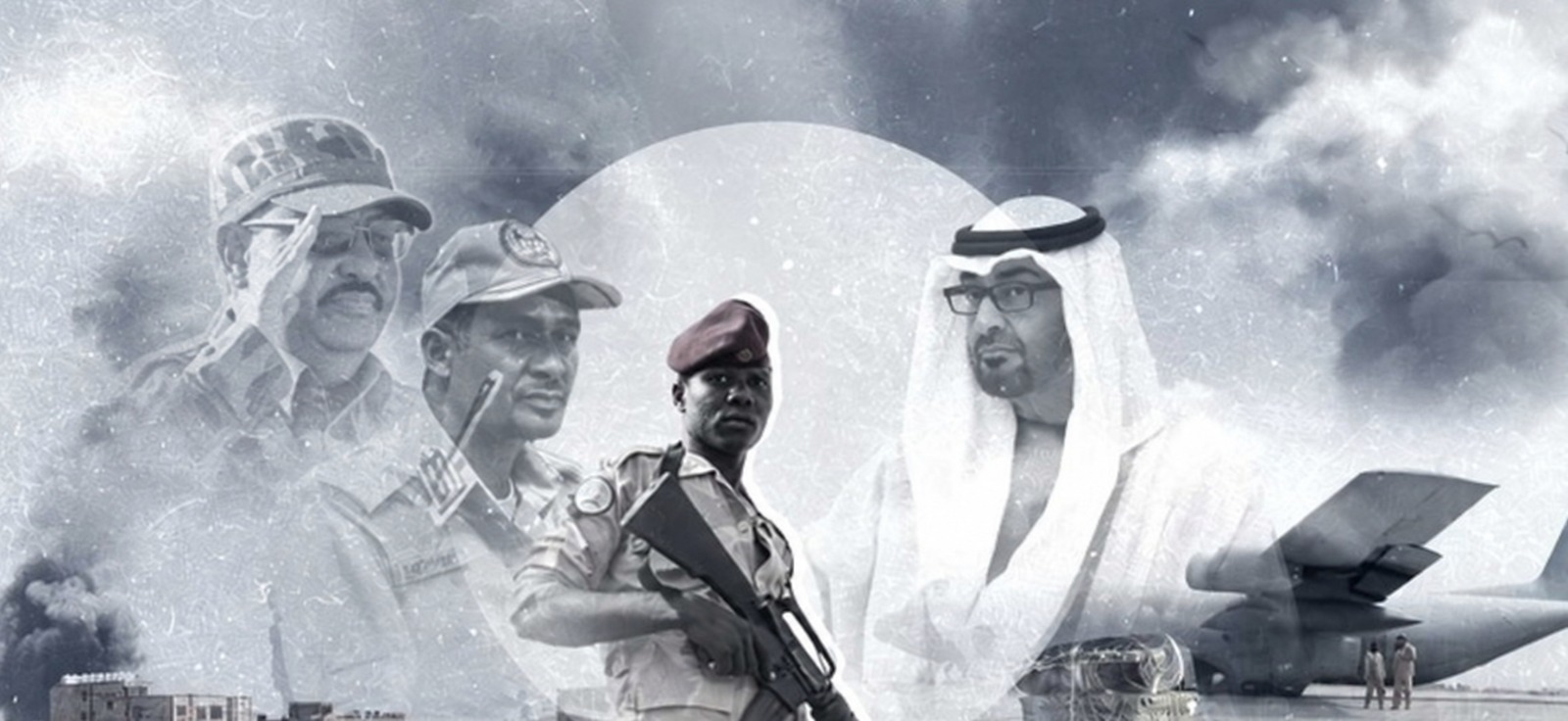
Said Abdullahi Deni is among 27 individuals accused of genocide in Sudan. He is accused of helping Sudan’s Rapid Support Forces commit genocide by facilitating support through Bosaso. His fate remains uncertain amid an ongoing ICC investigation and US and UN sanctions against the accused individuals.
The allegation against Deni centres on Puntland’s reported role in a mercenary pipeline supplying the RSF with foreign fighters. A Financial Times investigation, described in the supplied account, traced Colombian mercenaries through military facilities in the United Arab Emirates and transit hubs in Somalia and Libya before their deployment in Sudan.
The material attributes the findings about the recruitment network and transit routes to the FT and The Sentry. The accusation against Deni is made in the account provided for this report.
Colombian fighters interviewed by the FT described travelling through Bosaso in Puntland and Kufra in eastern Libya before being flown or driven into RSF-controlled areas of Darfur. One mercenary described Bosaso, where the UAE reportedly operates a military base, as a hub for moving fighters towards Sudan and other conflicts across Africa.
Some of those mercenaries subsequently fought alongside the RSF during its capture of El-Fasher in October 2025. Following the city’s fall, evidence emerged of mass executions, sexual violence, and ethnically targeted killings.
Bosaso’s reported role links Puntland to the wider logistical network that moved foreign military personnel to the RSF. The supplied account accuses Deni of helping that operation, connecting his administration to assistance for a force the United States has determined committed genocide alongside allied militias.
The FT investigation identified Abu Dhabi-based Global Security Services Group, or GSSG, as a central participant in recruiting and deploying Colombian mercenaries.
GSSG was founded in 2016 by Ahmed Mohammed Al-Humairi, secretary-general of the UAE Presidential Court. Its website has listed the Presidential Court and the ministries of Foreign Affairs and Interior among its clients and previously described the company as the UAE government’s sole provider of armed private security services.
According to The Sentry, GSSG contracted Colombian recruitment company International Services Agency, also known as A4SI, to supply hundreds of former soldiers.
The network was linked to retired Colombian colonel Álvaro Andrés Quijano Becerra, who is based in the UAE. The United States sanctioned Quijano and other members of the recruitment network in December 2025, accusing him of a central role in recruiting and deploying former Colombian military personnel to Sudan. Britain subsequently sanctioned figures involved in the operation, according to the supplied account.
Around 2,000 Colombians were estimated to have travelled to Sudan to support the RSF. Recruitment drew on former soldiers with experience in counterinsurgency, urban warfare and specialist weapons.
Fighters described receiving job offers through WhatsApp messages circulated by friends and former military colleagues. Some reportedly knew little about where they would ultimately be deployed.
The investigation also described military training inside the UAE. One Colombian fighter told the FT that around 300 specialists received drone and anti-aircraft training between January and October 2025 before being sent to Sudan.
Other mercenaries described training at Ghayathi in Abu Dhabi, a military facility previously identified by a UN panel of experts as a site used to train Sudanese recruits. One fighter said GSSG personnel and Emiratis wearing military uniforms provided drone instruction, although he could not identify their units.
Phone-tracking analysis examined by the FT reportedly supported these accounts. Spanish-language devices were traced from military facilities in the UAE through transit hubs in Somalia and Libya and ultimately to RSF-controlled areas of Darfur.
The Colombian contingent developed into an organized foreign fighting force. Mercenaries described three battalions operating alongside the RSF, with specialists in drones, artillery, and anti-aircraft weapons.
According to fighters interviewed by the FT newspaper, the third Colombian battalion participated in the capture of El Fasher. Mercenaries provided videos showing Colombians firing weapons alongside RSF forces during the fighting.
The city fell after an 18-month siege marked by starvation and sustained bombardment. The atrocities reported after its capture placed the foreign fighters and their support network under further scrutiny.
One mercenary also described Colombians detaining people approaching the RSF-controlled airport in Nyala and handing them to local commanders. He said the detainees were tortured so severely that Colombian fighters intervened after hearing their cries.
The investigation describes a network stretching from recruitment agencies in Colombia to training facilities in the UAE, transit hubs in Puntland and Libya, and battlefields in Darfur.
Within that account, Bosaso served as a link in the movement of mercenaries to the RSF. The accusation against Deni concerns his alleged role in enabling that support. His fate remains uncertain as sanctions target RSF leaders and members of the foreign recruitment network.